

Foot Reflexology Gallery
$$MultiPurposeText$$
See examples of our Foot Reflexology work and results.

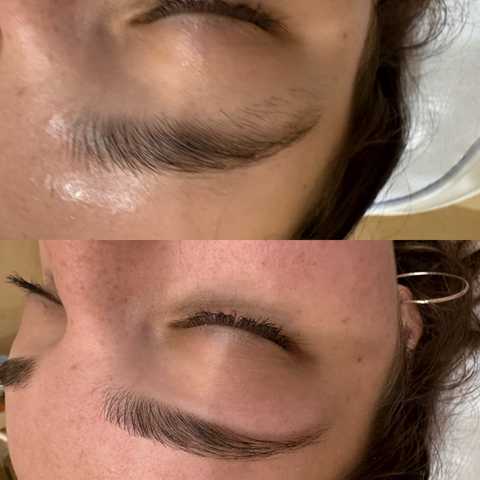
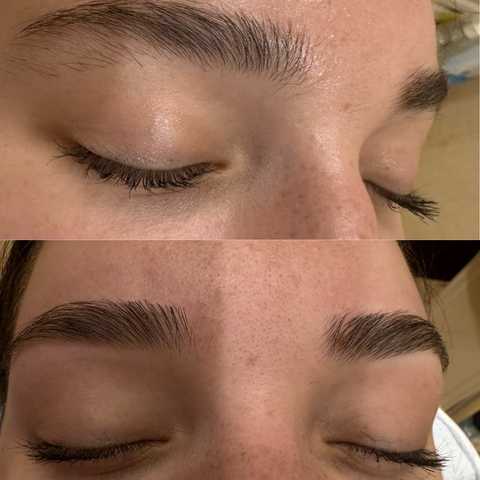


What Our Clients Say
$$MultiPurposeText$$
Read testimonials from our satisfied customers

My facials are always amazing and my skin feels refreshed, glowing and healthier after eve...more

I had an experience like no other. Lily was my massage therapist and she did an amazing jo...more

This was my first time here and Lily was amazing. I got the body wrap & fully body massage...more

Amazing place Hoghly recommended

Mona does an excellent job threading my eyebrows! I have been going to her spa for years!

I had a wonderful dermaplaning experience at this spa. Mona was professional, gentle, and ...more

Frequently Asked Questions
Get answers to common questions about Foot Reflexology.
You'll lie comfortably while a therapist applies targeted pressure to specific foot zones. Sessions include a gentle warm-up, focused reflex point work, and a soothing finish. Expect deep relaxation, occasional sensations as areas release, and aftercare tips for continued benefits.
Many pregnant clients benefit from reflexology with modified techniques and avoided pressure points. Always consult your prenatal care provider first and inform your therapist about your pregnancy stage, complications, or high-risk status for a safe, tailored session.
Our standard Foot Reflexology sessions are 60 minutes, including a brief consultation and warm-up. We also offer 30- and 45-minute express options. First-time clients often prefer 60 minutes to allow full mapping, pressure work, and a relaxing finish.
Reflexology should feel therapeutic rather than painful. Some tender spots may cause brief discomfort as tension releases, but therapists adjust pressure to your comfort level. Communicate during the session so we can modify technique for a soothing, restorative experience.
Conditions like deep vein thrombosis, active foot infections, recent fractures, or severe circulatory disorders may contraindicate reflexology. Pregnant clients and those with chronic illnesses should consult healthcare providers. Always share medical history so we can adapt treatment safely.
Frequency depends on your goals: weekly sessions can help manage chronic tension, while biweekly or monthly visits support maintenance. We often recommend starting with two to four sessions over a month, then adjusting based on progress and personal response.